Loneliness after divorce: why it happens to men and what helps
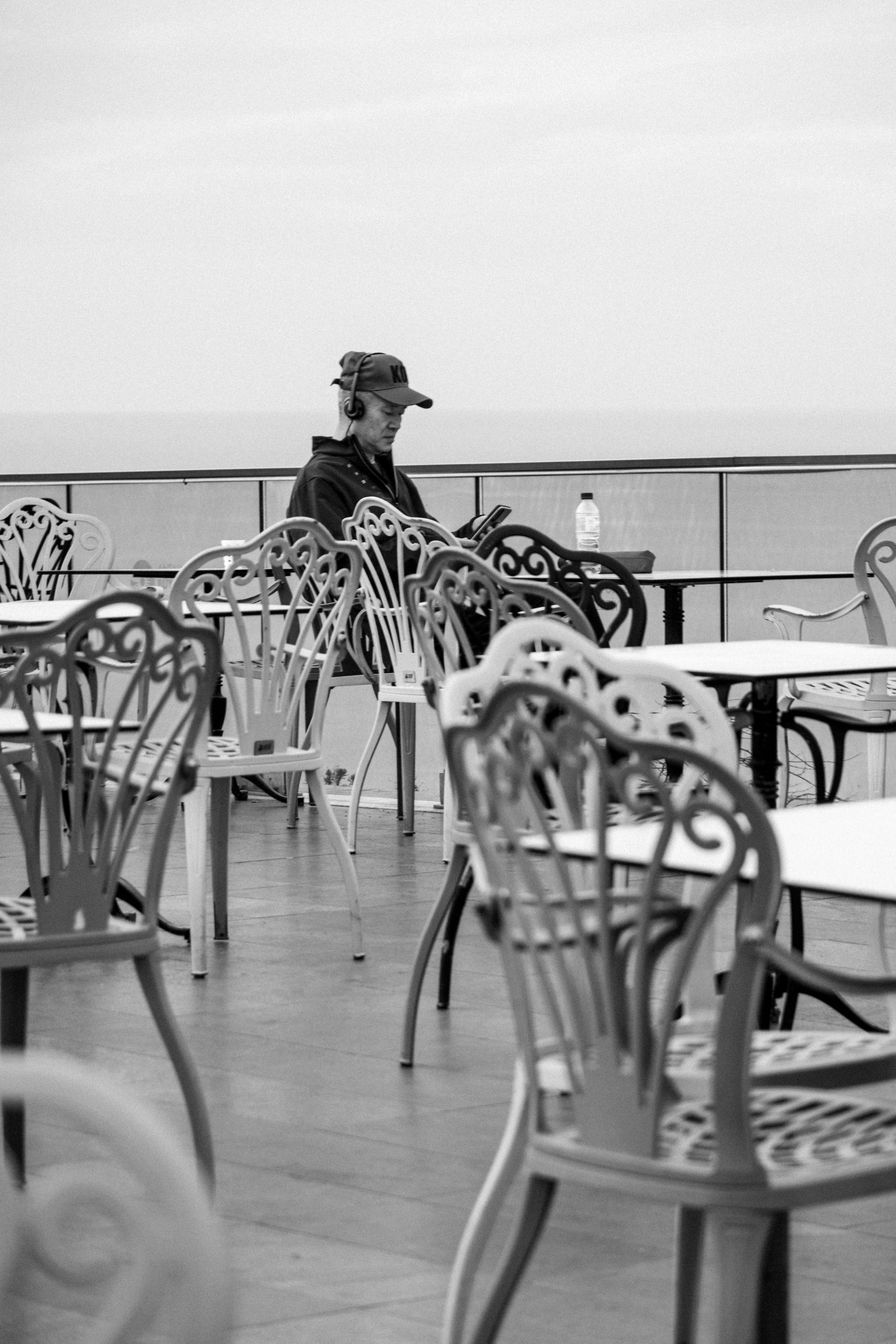
Photo by Ayşegül Aytören on Pexels
Loneliness after divorce happens to men for structural reasons more than personal ones. Married men’s social lives are often organised around the couple, maintained by the wife, and hosted in the family home, so when the marriage ends, the infrastructure of friendship goes with it. What helps is rebuilding on a different foundation: regular, scheduled contact with other men that doesn’t depend on a partner to arrange it, plus at least one setting where you can be honest rather than fine. Both take deliberate effort for a period, and both work.
The infrastructure problem
Think about how your social life actually operated during the marriage. Whose birthdays did you attend, and who tracked them? Who turned “we should see them” into a booking? Whose friends’ partners became your friends?
For a lot of men the honest answers are uncomfortable. The couple’s social world was substantially built and maintained by her, around couples, in a home that’s no longer yours to host in. None of that reflects badly on you, and all of it explains why the invitations dried up. The friendships weren’t fake. They were installed in a structure, and the structure was demolished.
Then there’s the sorting that follows any separation. Some friends pick a side. Some pick neither and drift from both. A few genuinely stay, and they’re worth knowing about, because they’re the foundation you’ll build from.
Why it gets worse before it registers
In the acute period there’s often more contact, not less. People rally. The loneliness typically bites later, a year or more in, when the rallying has faded and the new shape of your week has settled into place. Saturday afternoons are the classic pressure point, and Sunday evenings, and the fortnights without your children if you’re a father.
By then a second mechanism has usually joined in. Loneliness compounds itself. The longer contact thins, the more effortful re-entry feels, and the more effortful it feels, the more reasonable staying home sounds. Men are particularly exposed here because so much male friendship runs on side-by-side activity rather than deliberate arrangement, and the activities went with the old life.
The pattern shows up in help-seeking as well as friendship. Australian Bureau of Statistics data from 2020 to 2022 found that among people with a mental disorder in the previous twelve months, around 36 per cent of males consulted a health professional about it, compared with around 51 per cent of females. (Research finding, ABS National Study of Mental Health and Wellbeing.) The same reluctance that keeps a man from a professional keeps him from telling a mate anything real, and connection without honesty doesn’t actually treat loneliness. Plenty of men are lonely in company.
What realistically helps
I want to be concrete, because “put yourself out there” is advice-shaped noise.
Scheduled beats spontaneous. The goal is contact that recurs without anyone having to initiate it each time. A standing fortnightly dinner, a regular ride, a weekly game. Decision-free repetition is the whole trick, since initiation is exactly what a lonely person finds hardest.
Side-by-side counts. Shared activity is a legitimate foundation for male friendship, not a lesser one, and it’s often the easiest re-entry. Honesty can be added to an activity friendship later. It’s much harder to conjure a friendship out of honesty alone.
One honest setting is non-negotiable, though. Somewhere in the week or fortnight there needs to be a place where “how are you” gets a true answer. It might be one trusted friend, a men’s group, a counsellor, a structured call. Without it, all the activity in the world leaves the core problem untouched.
Lower the bar on initiation. A two-line message to an old friend is a complete act, not a failed version of a bigger one. Most lapsed friendships respond to smaller bids than men think are required.
And give it a season, not a weekend. In my professional observation, men who rebuild a functioning social world typically describe six to twelve months of deliberate, slightly effortful scheduling before it starts running on its own. The effortful phase is the treatment working, not evidence it isn’t.
Related reading
The thinned social world is one strand of a wider rebuild covered in the guide to rebuilding after separation. It interacts strongly with the identity question, since identity is rebuilt in company, which I’ve covered in Who am I after divorce?, and with the deferred feelings discussed in Anger, shame and grief after separation.
What to do next
Steady is a free fortnightly online call for men rebuilding after separation, and it was designed to be both things this article says you need: scheduled, recurring contact that requires no initiation once you’ve booked, and a setting where honesty is the norm. One hour, Tuesday evenings, no cost.
If the loneliness has hardened into flatness, poor sleep or a general stopping-of-caring, add a GP visit. Loneliness and low mood feed each other, and a GP can help with the second while you work on the first.
Written by Rudi Doku, a Melbourne-based Somatic Experiencing Practitioner, IFS-trained practitioner and Certified Integral Coach who works with men navigating separation, relationship breakdown and high-conflict transitions.